

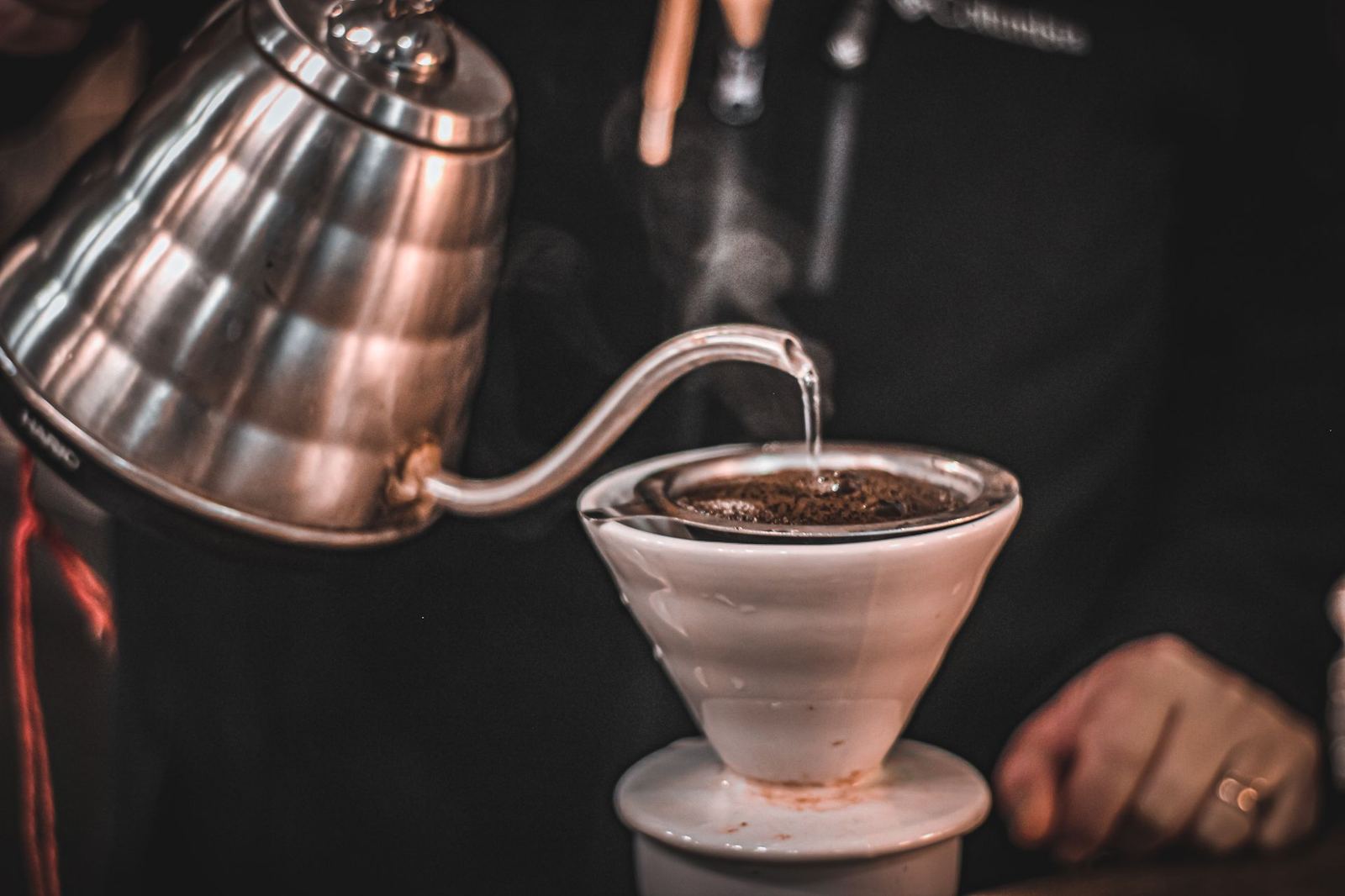
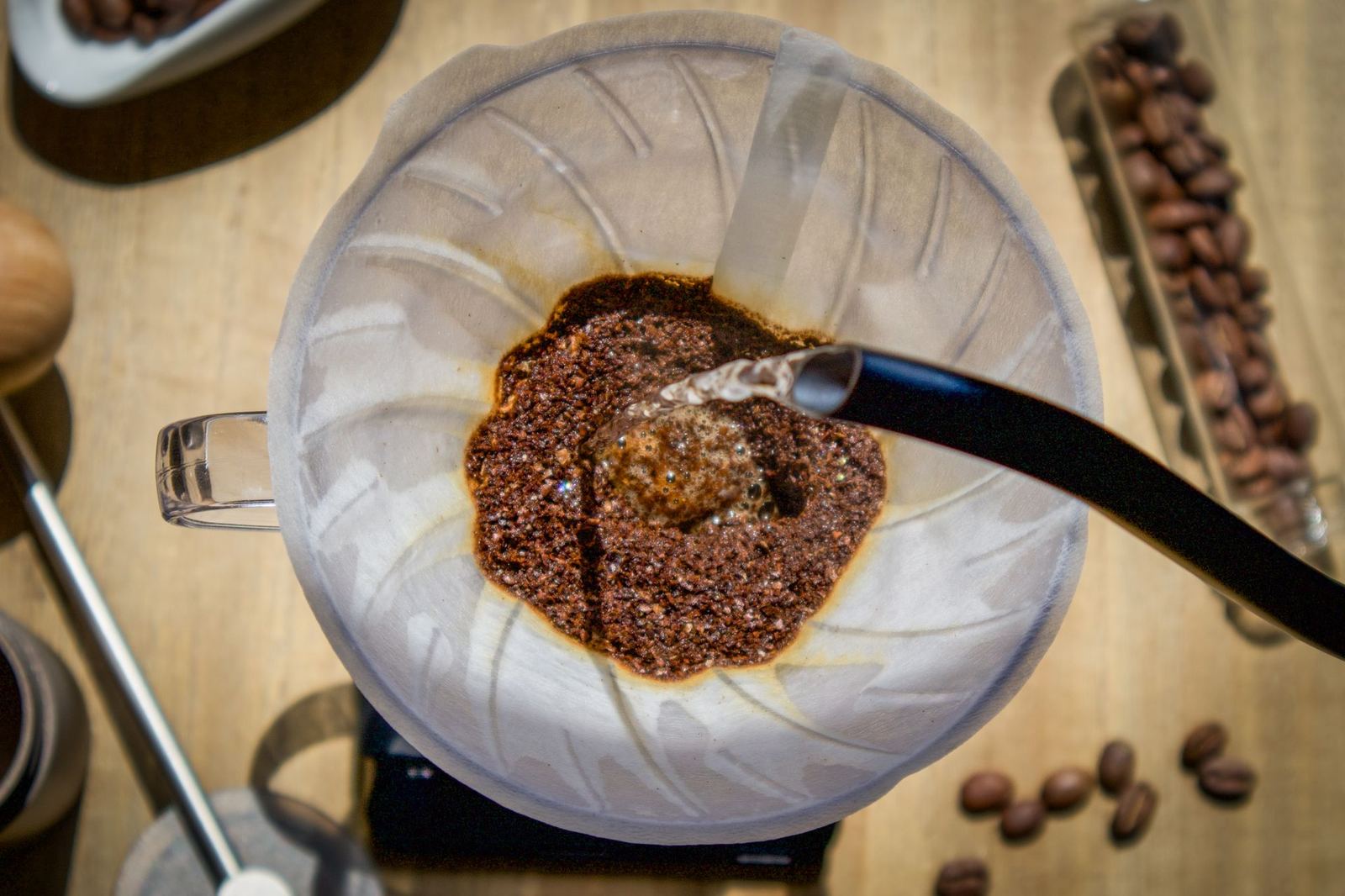
A 1:16 ratio, a salt-fine grind and 92–96 °C water: the three settings of a balanced cup at home.
Making filter coffee at home is not hard, but three settings must be right: ratio, grind size and water temperature. Each noticeably changes the taste of the cup. Here is the order we teach our baristas at the roastery.
1. Ratio: 1 gram of coffee to 16 grams of water
The starting point is 1:16. A 300 ml cup needs about 18–19 grams of coffee. A coffee scale is far more consistent than a spoon, but if you do not have one you can count a tablespoon as about 6 grams. Our brew calculator does the conversion for you.
2. Grind: the size of a grain of sand
The ideal grind for filter is between sea salt and table salt. If the coffee tastes bitter and astringent the grind is too fine; if sour and watery, too coarse. Change only the grind setting by one step each time, and do not move three things at once.
3. Water temperature: 92–96 °C
Let boiled water sit for a minute. Light roasts like hotter water (95–96 °C), dark roasts cooler water (90–92 °C). Water quality matters too: hard tap water mutes the coffee's acidity, while distilled water flattens the taste. Soft bottled water is a good middle path.
4. The brewing flow
- Wet the filter and warm the dripper.
- Add the coffee and level it; pour twice the weight of coffee in water (the bloom) and wait 30 seconds.
- Pour the remaining water in 2–3 pours, in circles from the centre outwards.
- Total time should be 2:30–3:30 minutes.
5. Troubleshooting
- Too bitter: grind coarser or drop the water by 2 °C.
- Too sour: grind finer or extend the time.
- Watery: move the ratio to 1:15.
Which beans to start with?
For first attempts we suggest a balanced and forgiving coffee: Colombia Huila or the Morning Blend. Delicate origins such as Ethiopia are a joy once your settings are dialled in.
Logging every brew in a notebook is the quickest way to mastery: date, coffee, grams, water, time and tasting note. After three weeks you will have your own recipes; by joining one of our cupping sessions you can share them with us too.
In the first week change just one variable and write it down: either grind, ratio or water temperature. Faulty cups are valuable data too; they help you find which setting is the real problem. When you get stuck, do not hesitate to ask the baristas in our cafés.
Remember: good coffee comes from consistency more than expensive equipment. Try three times with the same scale, the same time and the same water; that is how you will feel the difference.
Related Posts
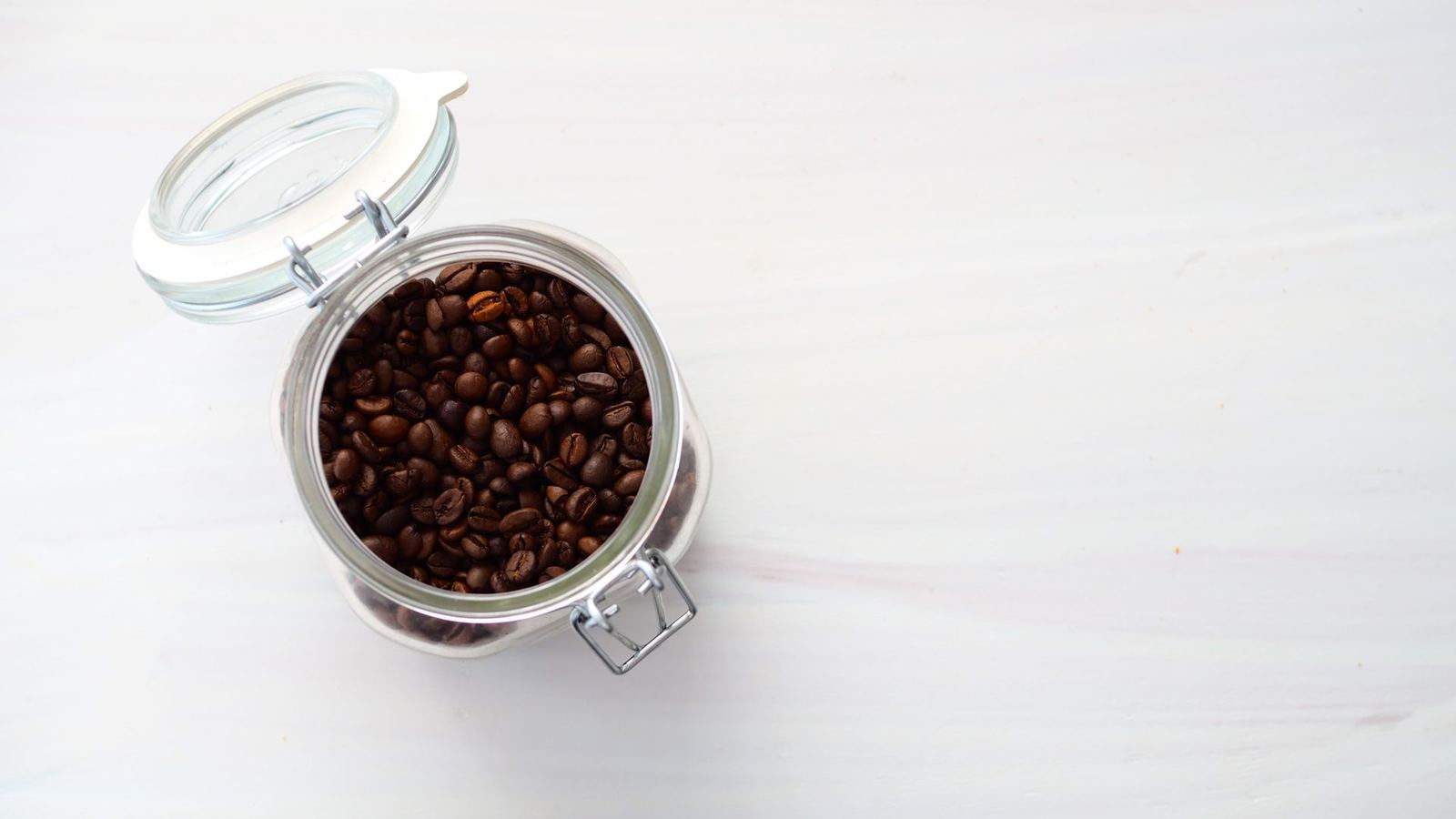
How to store coffee beans: the first 30 days after roasting
Degassing, the best window and four rules for proper storage.
Read More